Avanza är en svensk nätbank som har revolutionerat sparande och investeringar för privatpersoner och företag. Sedan starten 1999 har Avanza vuxit till att bli en av Sveriges mest populära plattformar för aktiehandel, fonder, pensioner och andra finansiella tjänster.
Investeringar & ekonomi
Att förstå ekonomi och investeringar är nyckeln till att bygga en stabil framtid och ta kontroll över din privatekonomi. Oavsett om du är nybörjare eller erfaren investerare kan rätt kunskap göra stor skillnad för hur du placerar dina pengar och planerar för långsiktig tillväxt.
I den här kategorin delar vi insikter, strategier och nyheter om allt från aktier, fonder och sparande till privatekonomi, budgetering och makroekonomiska trender. Vi hjälper dig att navigera i en komplex värld där rätt beslut kan ge både trygghet och möjligheter.
Oavsett mål och erfarenhet vill vi göra investeringar och ekonomi mer tillgängligt och begripligt för dig. Här får du verktyg och inspiration för att växa ekonomiskt och ta smarta beslut som gynnar både plånboken och framtiden.
Vad menas med Carry trade?
Carry trade är en investeringsstrategi där en investerare lånar pengar i en valuta med låg ränta för att sedan investera dessa pengar i en annan valuta med högre ränta. Målet är att tjäna på skillnaden mellan de två räntorna, även kallad ”carry”. Strategin utnyttjar ränteskillnader mellan olika länders valutor, vilket kan skapa möjligheter till betydande vinster.
Vad är en blockkedja?
En blockkedja är en decentraliserad digital huvudboksteknik som används för att lagra data på ett säkert och transparent sätt. Den består av en kedja av block, där varje block innehåller en lista över transaktioner. Varje block är länkat till föregående block genom en kryptografisk hash, vilket gör det extremt svårt att manipulera data utan att påverka hela kedjan. Blockkedjan är decentraliserad, vilket innebär att ingen enskild enhet har kontroll över hela nätverket. I stället underhålls och verifieras data av ett nätverk av datorer, kallade noder, som arbetar tillsammans för att säkerställa kedjans integritet. För att lägga till ett nytt block i kedjan måste en transaktion verifieras av nätverket. Detta sker genom en process som kallas konsensus, där majoriteten av noderna måste komma överens om att transaktionen är giltig. När ett block är godkänt och läggs till kedjan, blir informationen permanent och kan inte ändras utan att ändra alla efterföljande block, vilket kräver enorm datorkraft och gör manipulation praktiskt taget omöjlig.
Noterade företag inom vin och sprit
I vin- och spritindustrin finns flera stora, noterade företag som äger en bred portfölj av prestigefyllda varumärken inom vin, gin, whisky och champagne. Dessa företag…
Vad är en nätmäklare?
En nätmäklare är en digital plattform som gör det möjligt för privatpersoner att köpa och sälja värdepapper som aktier, fonder och ETF:er över internet. Till skillnad från traditionella mäklare som kräver personliga möten eller telefonsamtal, erbjuder nätmäklare ett smidigare och oftast billigare alternativ genom att automatisera många av de processer som tidigare gjordes manuellt. Genom att använda en nätmäklare kan investerare få tillgång till marknader över hela världen, analysera marknadsdata i realtid och hantera sina portföljer enkelt från datorn eller mobilen. Nätmäklare tillhandahåller också ofta utbildningsresurser och analysverktyg för att hjälpa investerare att fatta informerade beslut.
Aktieindexet S&P 500
S&P 500, eller Standard & Poor’s 500, är ett av de mest kända och mest använda aktieindexen i världen. Det skapades 1957 av Standard & Poor’s och representerar de 500 största börsnoterade företagen i USA, vilket gör det till en viktig indikator för den amerikanska ekonomin. Indexet är kapitalviktat, vilket innebär att större företag har större inverkan på indexets värde än mindre företag. Det täcker en bred variation av industrier och sektorer, vilket ger en omfattande bild av marknadens tillstånd. S&P 500 består av 500 utvalda aktier från amerikanska företag som handlas på de stora börserna, inklusive NYSE och NASDAQ.
Vad är buy and hold?
”Buy and hold” är en investeringsstrategi där en investerare köper värdepapper, som aktier, obligationer eller fonder, och behåller dem under en längre tidsperiod, oavsett marknadsfluktuationer. Syftet med denna strategi är att dra nytta av den långsiktiga värdeökningen på tillgångarna snarare än att försöka tjäna på kortsiktiga prisrörelser.
Vad är ett aktieindex?
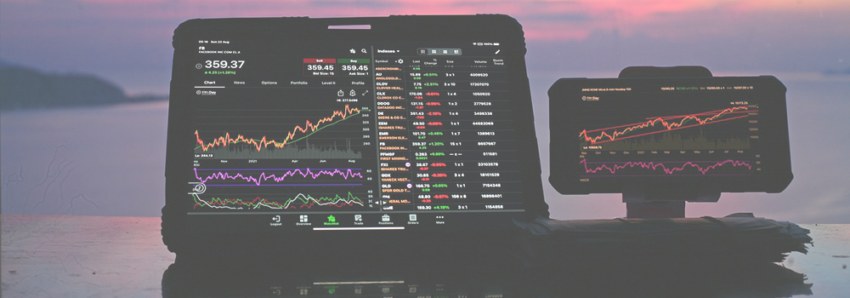
Ett aktieindex är ett mått som representerar värdet av en specifik grupp av aktier, utvalda för att spegla en viss marknad eller sektor. Aktieindex används…
Vad är en ETF?
ETF:er är ett kraftfullt verktyg för investerare som vill diversifiera sina portföljer på ett enkelt och kostnadseffektivt sätt. De erbjuder flexibilitet, likviditet och låga avgifter, vilket gör dem attraktiva för både nya och erfarna investerare. Med deras ökande popularitet i Europa och långvariga framgång i USA, är det nu en utmärkt tid för svenska investerare att överväga att inkludera ETF:er i sina investeringsstrategier. Genom att använda svenska banker och nätmäklare kan du enkelt handla ETF:er och dra nytta av de många fördelar de erbjuder.

Russell 2000 ger en diversifierad portfölj av amerikanska småbolag
Russell 2000 är ett av de mest betydande aktieindexen i USA och representerar de 2000 minsta företagen inom Russell 3000-indexet, som omfattar de 3000 största börsnoterade företagen i USA. Detta index är en viktig indikator för småbolagens prestanda och ger investerare en inblick i ekonomins bredare hälsa. Det skapades av Frank Russell Company 1984 och är nu en central del av FTSE Russell, en global leverantör av indexdata. Russell 2000 spelar en kritisk roll på aktiemarknaden, särskilt för investerare som söker diversifiering och tillväxtpotential. Medan större index som S&P 500 ofta domineras av stora, etablerade företag, erbjuder Russell 2000 en mer dynamisk och varierad bild av marknaden genom att fokusera på mindre företag. Dessa företag tenderar att vara mer innovativa och har ofta högre tillväxtpotential än sina större motsvarigheter.
Vad är en finfluencer?
I den digitala eran har sociala medier förändrat sättet vi delar information, lär oss och influerar varandra. En av de framträdande roller som har vuxit fram i denna miljö är ”finfluencern”. Termen finfluencer är en sammansättning av orden ”finance” och ”influencer” och syftar på personer som använder sina plattformar på sociala medier för att dela kunskap, råd och insikter om ekonomi och investeringar. En finfluencer använder sociala medier, såsom Instagram, Twitter, YouTube och TikTok, för att nå ut till sina följare och ge råd om finansiella ämnen. Dessa ämnen kan inkludera allt från grundläggande budgetering och sparande till mer avancerade investeringstekniker och aktieanalys. Finfluencers spelar en viktig roll i att göra finansiell kunskap mer tillgänglig och begriplig för en bredare publik.
Skillnaden mellan ISK och Kapitalförsäkring
Valet mellan ISK och kapitalförsäkring beror på dina personliga omständigheter och preferenser. Om du värderar enkelhet och direktägande av aktier kan ISK vara det bästa alternativet. Om du däremot önskar fler alternativ för arvsskifte eller flexibilitet i utbetalningar kan en kapitalförsäkring vara mer lämplig. Båda kontotyperna erbjuder fördelaktiga skattemässiga regler, men det är viktigt att förstå de specifika skillnaderna för att göra ett informerat val som passar dina investeringsmål och behov.

Investera i vin
Att investera i vin kräver viss förberedelse och kunskap. Det första steget är att utbilda sig. Det är viktigt att lära sig om olika vinregioner, producenter, årgångar och hur dessa faktorer påverkar vinets värde. Att läsa böcker, gå kurser och delta i vinprovningar kan vara värdefulla sätt att bygga upp den nödvändiga kunskapen. När du har en grundläggande förståelse för vinmarknaden är det dags att sätta en budget. Att investera i vin kräver ofta ett betydande startkapital, särskilt om du siktar på välkända och eftertraktade viner. Det är viktigt att sätta en budget och hålla sig till den för att undvika överinvesteringar.
Vad är en investeringsplattform?
En investeringsplattform är en digital tjänst som erbjuder investerare möjlighet att köpa och sälja finansiella instrument som aktier, fonder, obligationer och andra värdepapper. Dessa plattformar tillhandahåller verktyg och information som hjälper investerare att fatta välgrundade beslut och hantera sina portföljer effektivt. Investeringsplattformar har revolutionerat hur individer investerar genom att erbjuda tillgång till marknader och information som tidigare var förbehållen institutionella aktörer. Traditionella storbanker har länge dominerat investeringsmarknaden med sina omfattande tjänster, som inkluderar både banktjänster och investeringstjänster. Deras tjänster har dock ofta varit förknippade med höga avgifter och mindre användarvänliga plattformar. I slutet av 1990-talet och början av 2000-talet började nätmäklare dyka upp och erbjuda ett alternativ till storbankerna. Dessa nätmäklare specialiserade sig på investeringstjänster och använde teknik för att sänka kostnaderna och förbättra användarupplevelsen. De lockade investerare med lägre avgifter, bättre gränssnitt och mer flexibla tjänster. Denna förändring gjorde investeringar mer tillgängliga för den breda allmänheten och banade väg för en ny era av personliga investeringar.
Vad är en ETF?
En ETF, eller Exchange-Traded Fund, är en typ av investeringsfond och börshandlad produkt som kombinerar egenskaperna hos både aktier och traditionella fonder. ETF:er handlas på börser precis som aktier, vilket innebär att de kan köpas och säljas under börsens öppettider till marknadspris. Men till skillnad från enskilda aktier representerar en ETF en portfölj av olika tillgångar, vilket kan inkludera aktier, obligationer, råvaror eller en kombination av dessa. Detta gör ETF:er till ett attraktivt investeringsverktyg för både småsparare och professionella investerare som söker diversifiering, likviditet och kostnadseffektivitet.
Lär dig mer om börs och investeringar
Att förstå hur börsen fungerar och hur man gör kloka investeringar är en värdefull färdighet som kan hjälpa dig att bygga en stabil ekonomisk framtid. Oavsett om du är nybörjare eller har viss erfarenhet inom investeringar, finns det alltid mer att lära. Att fördjupa sina kunskaper inom börs och investeringar kan öppna dörrar till nya möjligheter och ge dig verktygen att fatta mer informerade beslut. Genom att kombinera kunskap från utbildningar, börstidningar, börspoddar och investeringsböcker kan du bygga en stark grund för framgångsrika investeringar och få de verktyg du behöver för att navigera på börsen med självförtroende.
Hur fungerar ränta på ränta?
Ränta-på-ränta, eller sammansatt ränta, innebär att räntan som tjänas på en investering inte bara beräknas på det ursprungliga beloppet (huvudbeloppet) utan också på tidigare intjänad ränta. Detta gör att investeringen växer snabbare över tid jämfört med enkel ränta, där räntan endast beräknas på huvudbeloppet. Exempelvis kommer en investering 100 000 kr med en årlig ränta på 8% över 25 år växa till cirka 684 850 kr.
Vad betyder FIRE inom investeringar?
FIRE, en förkortning för ”Financial Independence, Retire Early” (finansiell frihet, tidig pensionering), är ett ekonomiskt mål och en livsstilsfilosofi som syftar till att uppnå ekonomisk självständighet och möjligheten att gå i pension tidigare än den traditionella pensionsåldern. Konceptet har blivit populärt bland människor som vill frigöra sig från den vanliga nio-till-fem-arbetsdagen genom att spara och investera aggressivt under sina yrkesverksamma år. Genom att minska sina utgifter och öka sina inkomster, särskilt genom investeringar, kan individer bygga upp en portfölj som ger tillräcklig avkastning för att täcka deras levnadskostnader på lång sikt.
Investera i guld
Att investera i guld har länge varit en strategi för att skydda sitt kapital mot ekonomisk osäkerhet och inflation. Guldets status som en värdefull och eftertraktad ädelmetall gör det till ett attraktivt val för investerare som vill diversifiera sina portföljer och minska risken. Att investera i guld kan vara ett smart drag för att skydda ditt kapital och diversifiera din investeringsportfölj. Genom att köpa fysiskt guld från pålitliga svenska företag kan du säkerställa att du får äkta och värdefulla produkter. Oavsett om du är en erfaren investerare eller nybörjare kan guld vara en säker hamn i osäkra ekonomiska tider.
Sverige som konstnation
Sverige har en rik och mångfacetterad konsthistoria som sträcker sig från forntida hällristningar till samtida konstverk som utforskar dagens sociala och politiska frågor. Genom århundradena har svenska konstnärer bidragit med unika perspektiv och innovativa tekniker, vilket har gjort Sverige till en betydande aktör på den internationella konstscenen. Här är en översikt över tio av Sveriges berömda konstnärer, vars verk har lämnat ett outplånligt avtryck i konsthistorien. Dessa tio konstnärer representerar bara en del av den rika konstnärliga tradition som gör Sverige till en konstnation av stor betydelse.
Vad är dropshipping?
Dropshipping är en e-handelsmetod som har blivit alltmer populär under de senaste åren. Den erbjuder en lågkostnadslösning för entreprenörer som vill starta en onlinebutik utan att behöva hantera lager eller frakt. I stället för att köpa in produkter i förväg och lagra dem, fungerar dropshipping genom att butiksägaren samarbetar med en tredje part – vanligtvis en grossist eller tillverkare – som lagerhåller och skickar produkterna direkt till kunden. Processen börjar med att entreprenören sätter upp en onlinebutik och listar produkter till försäljning. När en kund gör en beställning i butiken, köper entreprenören produkten från leverantören till ett grossistpris och leverantören skickar varan direkt till kunden. Entreprenören tjänar pengar på skillnaden mellan det pris som kunden betalar och det grossistpris som entreprenören betalar till leverantören.
Vad är alternativa investeringar?
I dagens snabbt föränderliga finansiella landskap letar investerare ständigt efter sätt att diversifiera sina portföljer och maximera avkastningen. En populär strategi är att inkludera alternativa investeringar. Dessa investeringar erbjuder unika möjligheter utanför traditionella tillgångar som aktier, obligationer och kontanter. Men vad är egentligen alternativa investeringar och varför bör de övervägas?
Peer-to-peer lån är en modern finansiell lösning
Peer-to-peer (P2P) lån är en relativt ny finansiell tjänst som har blivit allt mer populär. Det är en metod för lånefinansiering som kopplar samman låntagare direkt med investerare, vilket eliminerar behovet av traditionella banker som mellanhänder. Genom att använda P2P-plattformar kan individer och företag få tillgång till finansiering snabbare och ofta till lägre kostnader, samtidigt som investerare kan få attraktiva avkastningar på sina pengar.

Köpa NFT-Konst
Att investera i NFT-konst har blivit en het trend och lockar både konstälskare och investerare från hela världen. NFT, som står för non-fungible token, är en digital tillgång som representerar ägandet av ett unikt konstverk, ofta i digital form. Dessa digitala certifikat är baserade på blockkedjeteknologi, vilket säkerställer äktheten och äganderätten till verket.
Vad är en hedgefond?
Hedgefonder är en typ av investeringsfond som syftar till att generera hög avkastning för sina investerare genom att använda en mängd olika strategier och investeringar. Dessa fonder är kända för sin flexibilitet, komplexitet och potential att ge både höga vinster och betydande risker. Trots deras ofta exklusiva natur, är det viktigt för alla investerare att förstå vad hedgefonder är och hur de fungerar. För att framgångsrikt investera i hedgefonder är det viktigt att ha en djup förståelse för hur de fungerar, samt att noggrant utvärdera deras strategi och riskprofil.
Vad är affiliatemarknadsföring?
Affiliatemarknadsföring är en kraftfull strategi som gynnar både företag och marknadsförare. Genom att förstå hur det fungerar och använda rätt verktyg och nätverk kan du maximera dina chanser till framgång i denna dynamiska och växande bransch.

Hello world!
Bloggen är nu igång och ämnet på det första inlägget är lika självklart som det är klassiskt. Hello world är ett måste för att starta igång alla bloggar.